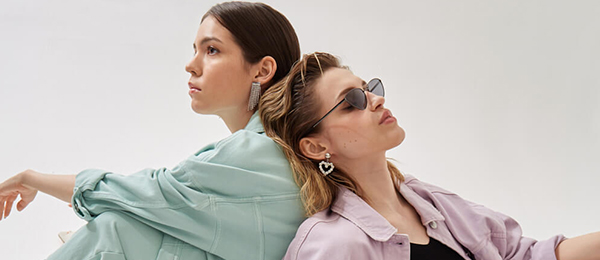
- Wonderful textiles and the-luckywave.co.uk transform your living spaces beautifully
- Understanding the Impact of Texture in Interior Spaces
- The Role of Weight and Drape
- Exploring Color Palettes and Their Influence
- Utilizing Color to Create Visual Harmony
- The Importance of Pattern and its Application
- Scaling Pattern to Room Size
- Fabric Care and Longevity: Ensuring Your Investment Lasts
- Beyond Decoration: Textiles and Sustainability
Wonderful textiles and the-luckywave.co.uk transform your living spaces beautifully
The desire to create a beautiful and comfortable home is universal, and textiles play a pivotal role in achieving that goal. From the softest throws to the most vibrant curtains, fabrics have the power to transform a space, injecting personality and warmth into any room. Finding the right sources for these essential elements can be a journey, but websites like
Interior design is constantly evolving, with trends shifting and new styles emerging. However, the fundamental principles of texture, color, and pattern remain timeless. Successful design relies on a harmonious blend of these elements, and textiles are often the key to creating that balance. Whether embracing a minimalist aesthetic or a more maximalist approach, thoughtful consideration of fabrics is crucial. This exploration delves into the world of textiles, examining their influence on interiors and highlighting how practical online resources can help you discover the perfect pieces for your home, ultimately seeing how sites like those offering products similar to those at the-luckywave.co.uk, can aid the design process.
Understanding the Impact of Texture in Interior Spaces
Texture, in interior design, refers to the surface quality of an object – how it feels, or appears to feel. It's a hugely influential element, capable of adding depth, interest, and a sense of tactile comfort to a room. Combining different textures – smooth silks with rough linens, for example – creates visual contrast and prevents a space from feeling flat or monotonous. A room decorated entirely in smooth, polished surfaces can feel cold and unwelcoming, whereas a carefully curated mix of textures evokes warmth and invites touch. The psychology of texture is significant too; softer textures tend to promote relaxation, while coarser textures can add a sense of energy and vibrancy. Consider the feel of a chunky knit throw on a winter evening versus the cool smoothness of a marble countertop – each evokes a distinct emotional response.
The Role of Weight and Drape
Beyond the surface feel, the weight and drape of a fabric contribute significantly to its overall impact. Heavier fabrics, like velvet or thick wool, tend to be more formal and luxurious, offering a sense of substantiality. They often drape beautifully, creating rich folds and a more opulent appearance. Lighter fabrics, such as linen or voile, have a more casual and airy feel. They often billow and flow with the slightest breeze, creating a sense of lightness and freedom. Choosing the right weight and drape for a particular application is crucial. For example, a heavy velvet curtain will block out more light and provide better insulation than a sheer linen curtain. Understanding these nuances allows for a more considered and effective design approach.
| Fabric Type | Typical Weight | Common Uses |
|---|---|---|
| Linen | Light to Medium | Curtains, Upholstery, Bedding |
| Cotton | Light to Medium | Bedding, Clothing, Upholstery |
| Velvet | Medium to Heavy | Upholstery, Curtains, Drapery |
| Silk | Light to Medium | Drapery, Scarves, Upholstery (delicate) |
The chart above illustrates how different fabric types vary in weight and their suitablility for different interior applications. It’s vital to consider these characteristics when planning a design scheme.
Exploring Color Palettes and Their Influence
Color is undeniably one of the most powerful tools in an interior designer's arsenal. It has a direct impact on our emotions and perceptions, and the colors we surround ourselves with can influence our mood and energy levels. Warm colors, such as reds, oranges, and yellows, tend to be stimulating and create a sense of warmth and intimacy. Cool colors, such as blues, greens, and purples, are generally more calming and relaxing. Choosing a color palette that reflects the desired atmosphere is essential. A vibrant, energetic space might incorporate bold, warm colors, while a serene bedroom might benefit from soothing cool tones. Beyond the primary colors, consider the impact of different shades and tints, as well as the interplay between contrasting and complementary colors.
Utilizing Color to Create Visual Harmony
A well-coordinated color scheme doesn’t necessarily mean matching everything exactly. In fact, using a variety of shades and textures within a similar color family can create a more sophisticated and visually interesting look. The 60-30-10 rule is a helpful guideline: 60% of the room should be dominated by a neutral color, 30% by a secondary color, and 10% by an accent color. This approach provides a balanced and harmonious aesthetic. You can also use color blocking – strategically placing blocks of contrasting colors – to create focal points and add visual drama. Ultimately, the goal is to create a space that feels cohesive and balanced, where the colors work together to enhance the overall design.
- Consider the existing architectural features of the room.
- Think about the amount of natural light the room receives.
- Choose colors that reflect your personal style and preferences.
- Use color swatches to test how colors look in different lighting conditions.
These points highlight the importance of thoughtful color selection. Exploring these aspects will assist you in finding the colors that best suit your design vision.
The Importance of Pattern and its Application
Pattern adds another layer of complexity and visual interest to interior spaces. From subtle stripes and delicate florals to bold geometric designs, patterns can transform a room, adding personality and depth. However, using pattern effectively requires careful consideration. Too much pattern can feel overwhelming and chaotic, while too little can result in a bland and uninspired space. The key is to balance pattern with neutral elements and to choose patterns that complement each other in terms of color, scale, and style. Mixing patterns can be particularly effective, but it requires a keen eye and a willingness to experiment.
Scaling Pattern to Room Size
The scale of a pattern is particularly important to consider in relation to the size of the room. Large-scale patterns can overwhelm a small space, making it feel even smaller. Conversely, small-scale patterns can get lost in a large room, failing to make a significant impact. As a general rule, choose patterns that are in proportion to the size of the space. In a small room, opt for smaller-scale patterns or use larger patterns sparingly as accents. In a large room, you can be more adventurous with larger, bolder patterns. Layering patterns of different scales is also a clever technique for adding depth and visual interest.
- Start with a neutral base.
- Introduce one dominant pattern.
- Add smaller-scale patterns as accents.
- Consider the color palette of the patterns.
Following these steps can help you successfully incorporate pattern into your interior design projects. It's a skill that takes practice, but with careful planning, you can achieve stunning results.
Fabric Care and Longevity: Ensuring Your Investment Lasts
Investing in high-quality textiles is a worthwhile endeavor, but it’s essential to understand how to care for them properly to ensure their longevity. Different fabrics require different cleaning and maintenance methods. Delicate fabrics like silk and linen often require professional cleaning, while more durable fabrics like cotton and polyester can typically be machine washed. Always check the care label before attempting to clean any textile. Regular vacuuming or dusting can help prevent dirt and dust from building up, which can damage fibers over time. Protecting fabrics from direct sunlight is also crucial, as UV rays can cause fading and deterioration.
Sunlight is particularly damaging, causing colors to fade and fibers to weaken. Using curtains or blinds to filter sunlight can help protect your textiles. Proper storage is also important. When storing textiles, make sure they are clean and dry and stored in a cool, dark place. Avoid storing them in plastic bags, as this can trap moisture and lead to mildew. Fabrics such as those available from sources akin to the-luckywave.co.uk benefit from careful attention to these maintenance details to maximize their lifespan.
Beyond Decoration: Textiles and Sustainability
As consumers become increasingly aware of the environmental impact of their choices, sustainable textiles are gaining prominence. The textile industry has historically been associated with significant environmental problems, including water pollution, chemical use, and waste generation. However, there’s a growing movement towards more sustainable practices, such as using organic fibers, reducing water consumption, and minimizing waste. Choosing textiles made from renewable resources, such as organic cotton, hemp, or linen, is a great way to reduce your environmental footprint. Looking for fabrics that are certified by reputable organizations, like the Global Organic Textile Standard (GOTS), can provide assurance that they meet strict environmental and social criteria. Supporting brands that prioritize sustainability is a crucial step towards creating a more responsible and ethical textile industry.
The future of textiles lies in embracing innovation and finding new ways to minimize environmental impact. This includes exploring alternative materials, such as fabrics made from recycled plastic bottles or agricultural waste, and developing more efficient dyeing and finishing processes. Consumers can play a vital role in driving this change by demanding more sustainable options and supporting brands that prioritize environmental responsibility. Consider investing in pieces that are built to last, rather than disposable fast-fashion items, and repair or repurpose textiles whenever possible. This conscientious approach not only benefits the planet but also adds a unique, personal touch to your home.